Although almost two decades have passed since the popularization of the Internet, it is still a relatively new environment. If we used the Internet only for getting information and communicating with each other just until recently, the Internet is today becoming an indispensable foundation of modern society and a tool many processes would be stopped without. The vast majority of employees have already met the term “safety at work”, and completing a course is often a prerequisite for employment. What about the “safety online”?
Cybersecurity Month is coming to a close, and this year we have paid special attention to changing online behaviour and ways to identify the dangers threatening us on every online step. Besides the classic financial scams where fake websites offer unreasonably low prices, and Nigerian princes who want to transfer their inheritance to our account, there are other threats online, such as emotional manipulation and sexual harassment. Anyone could be hiding behind the profile picture on social networks where the most personal attacks occur. The varninainternetu.si (SafeOnline) website points out that the number of blackmail cases increased by 400% in one year, and the highest damage reported in a love fraud amounts to a whopping € 62,000.

Let’s be honest
Open and unsecured wireless connections that allow us to access our online profiles, careless downloading of apps and agreeing to all terms of use, immense naivety in online shopping… The vast majority of us are guilty of at least one of these or related online sins. If honest with ourselves, we quickly realize that we are only partially aware of all the threats threatening us in the digital world. Most of us don’t take enough care of our own safety when we go online.
Not only individuals face threats
Not only individuals but also businesses are exposed to the dangers, where cyber fraud and attack can cause great financial and business damage. In recent months, the case of one of the Slovenian pharmacy chains strongly echoed as the perpetrators demanded extremely large sums for restoring the system, while the company suffered a significant loss due to the shortened operation.
We can best take care of our online safety ourselves. To help you take the first steps towards improving your cyber security, here are five basic tips.
Five tips for better online safety
1. Don’t fall for incredibly good deals.
It is true that online shopping can save us some money, but we still have to be alerted at extremely low product prices and ask ourselves why a merchant sells all the products at such low prices?

2. Don’t trust strangers who open up to you on social networks.
Although these networks are primarily intended to connect people, we must act online in a similar way we do in real life and treat strangers with a healthy degree of reservation.

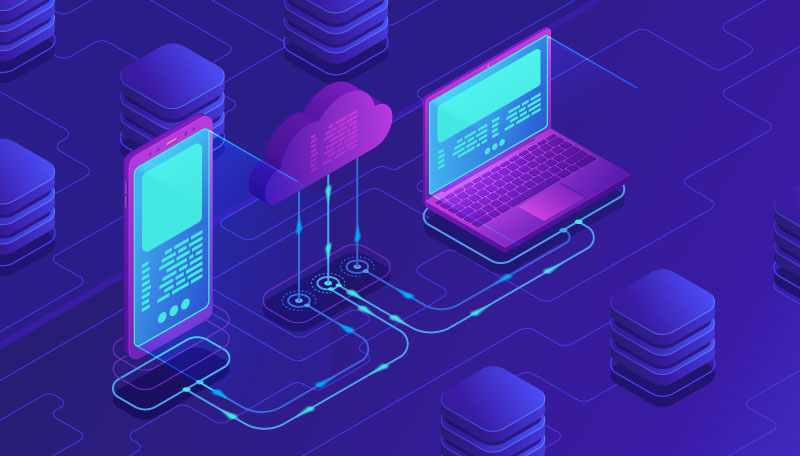
3. Backups.
We are most aware of their importance when we need them, but did not make them on time and thus lost important documents. It takes only a few moments to make a backup, while the damage caused by its absence cannot be eliminated at all.
4. Update the software regularly.
This provides us with the highest level of security as developers are constantly eliminating the “cracks” in programs that intruders can use to intrude our device systems.

5. Frequent password change is considered the cornerstone of online security.
If we use the same password everywhere, especially for extended periods of time, it is likely that we have used it even where it is no longer safe due to bad updates. In the event that intruders detect it, they gain access to all our accounts and data.